Learning through Country, culture & science
At Heathridge Primary School, Two-Way Science brings together Aboriginal ways of knowing and Western scientific understandings. Students explore the world around them through different perspectives, discovering that knowledge systems can complement and enrich one another. Through hands-on experiences, students investigate biodiversity, seasonal change, sustainability and caring for Country.
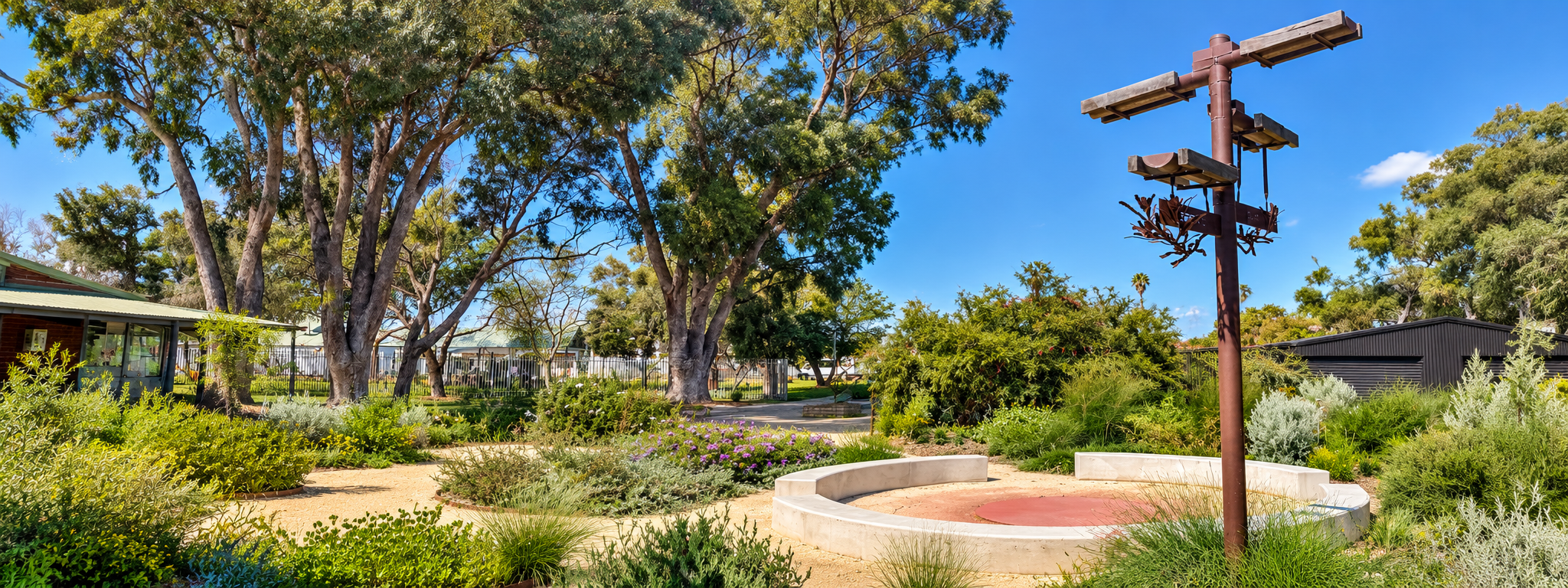
Miyawaki Forest & Six Seasons Noongar Garden
Our Miyawaki Forest and Six Seasons Noongar Garden are living outdoor classrooms where students learn about native plants, local wildlife, biodiversity and the Noongar seasonal calendar. In collaboration with Murdoch University, students were directly involved in creating, planting and caring for these spaces, turning their learning into action and developing a deeper understanding of their responsibility to care for Country.
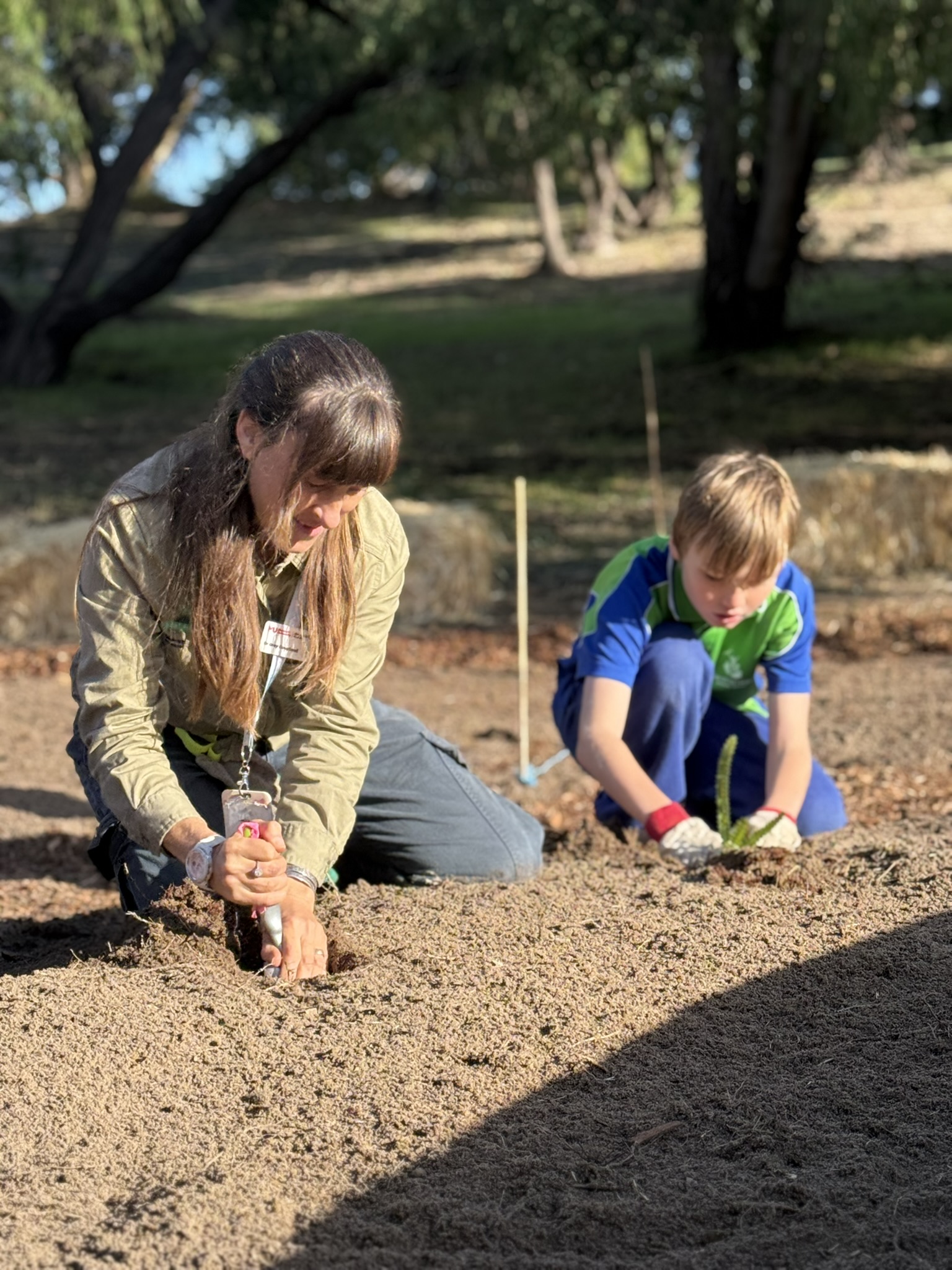
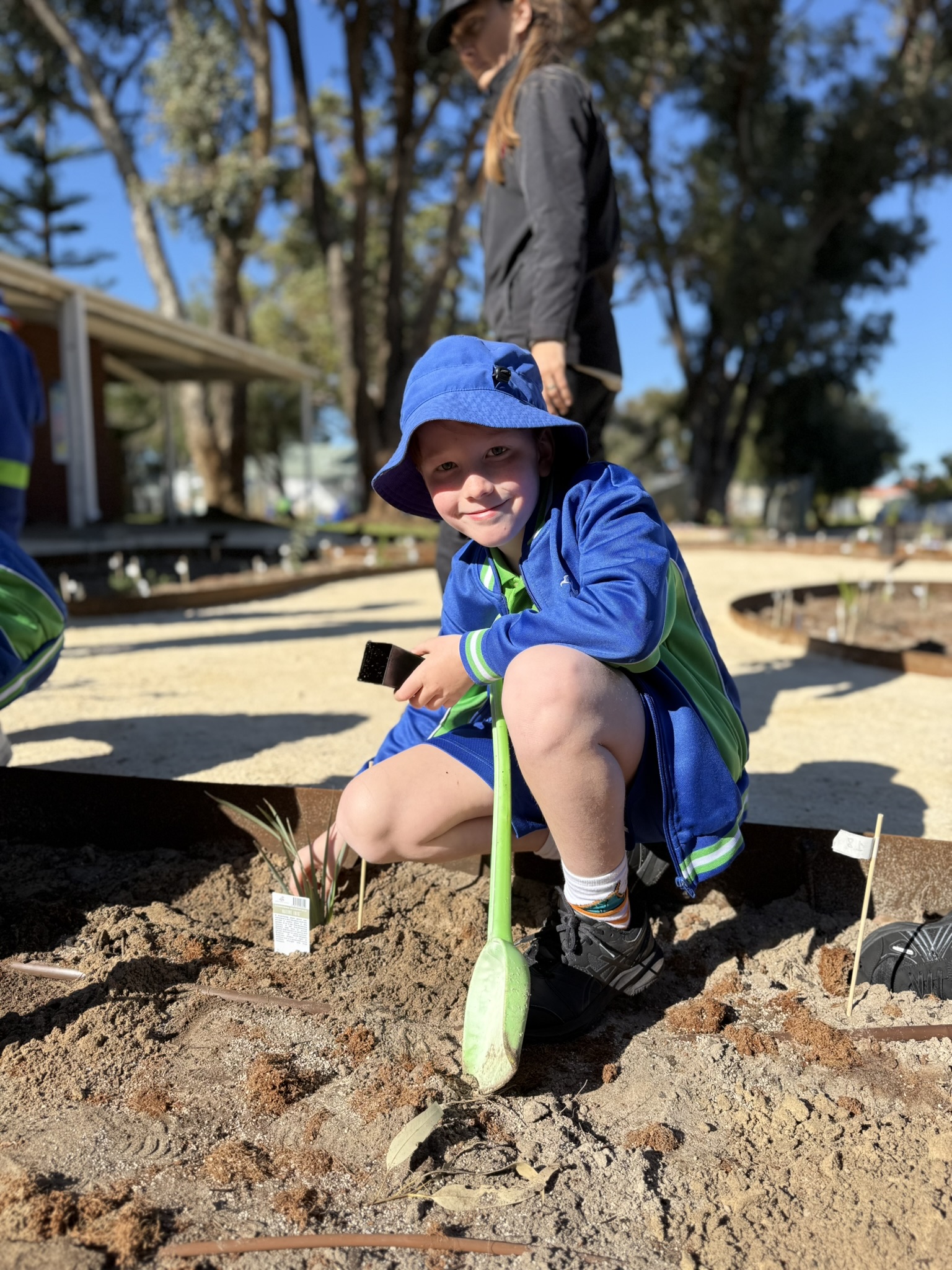
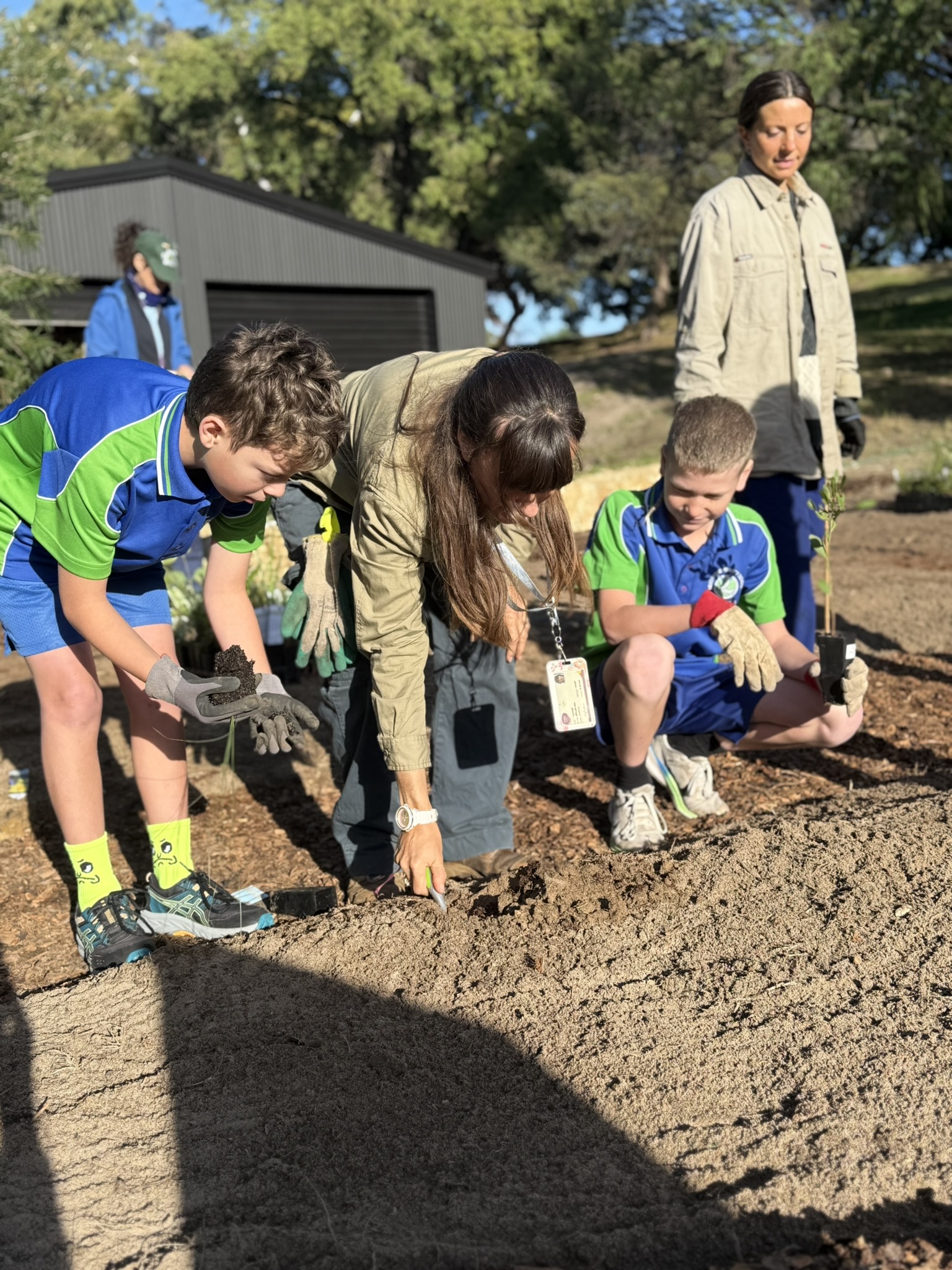
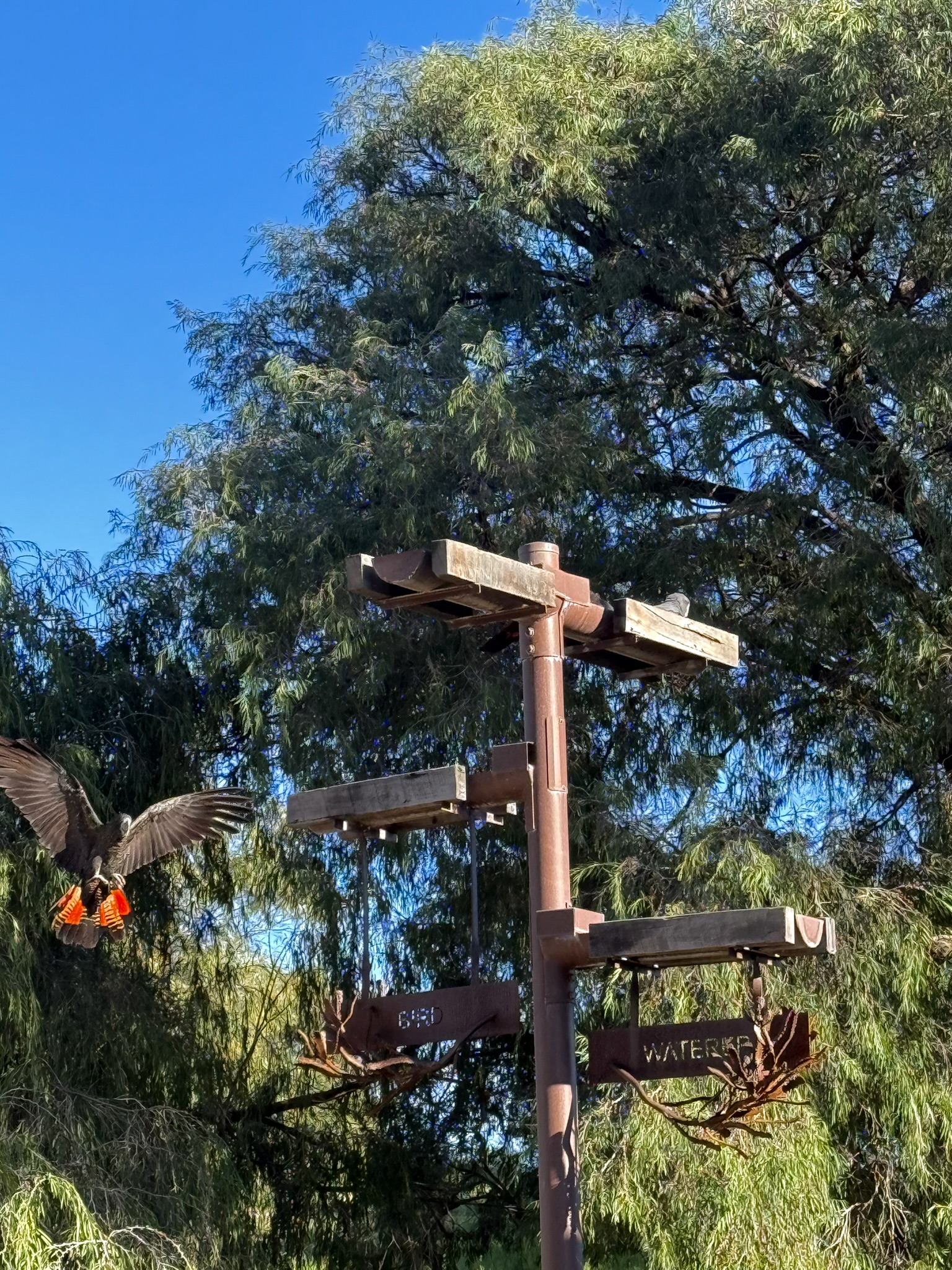
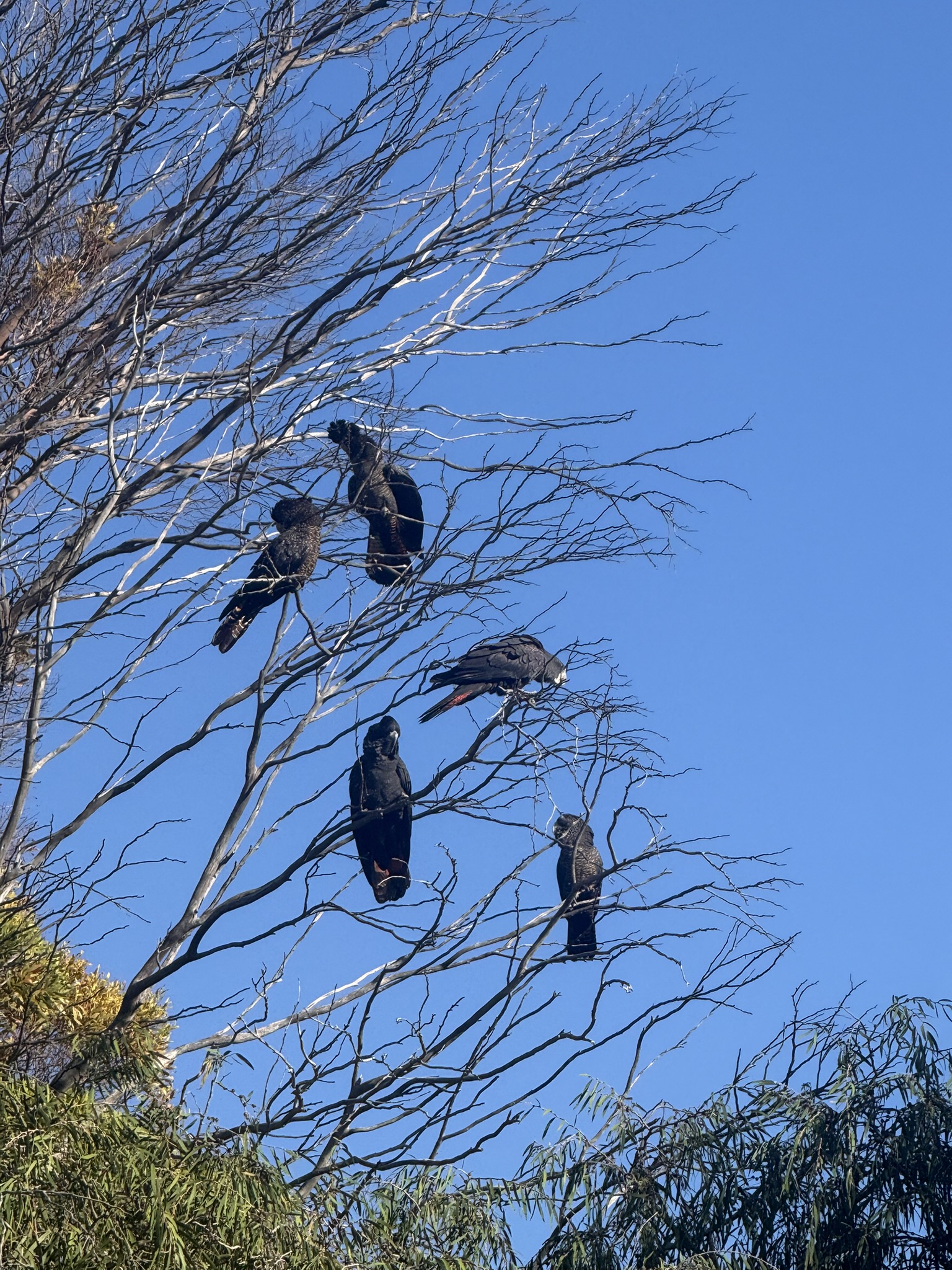
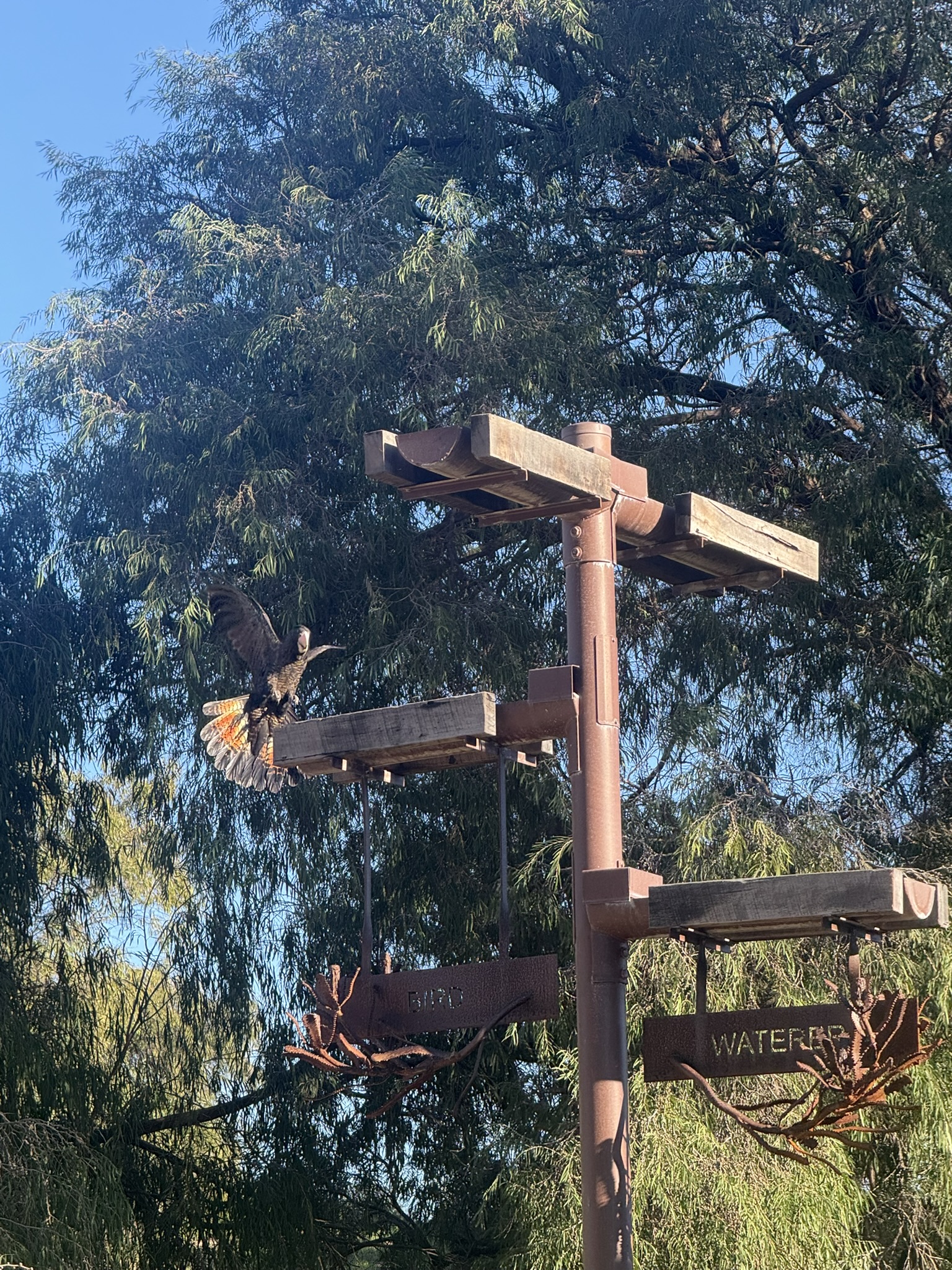
A wonderful outcome has been the return of red-tailed black cockatoos to our school grounds. Following the planting of the Miyawaki Forest and establishment of the Six Seasons Garden, cockatoos have returned to drink and bathe at our purpose-built Cockitrough. Their return provides a powerful, real-world example for students of how restoring natural environments can support local wildlife.
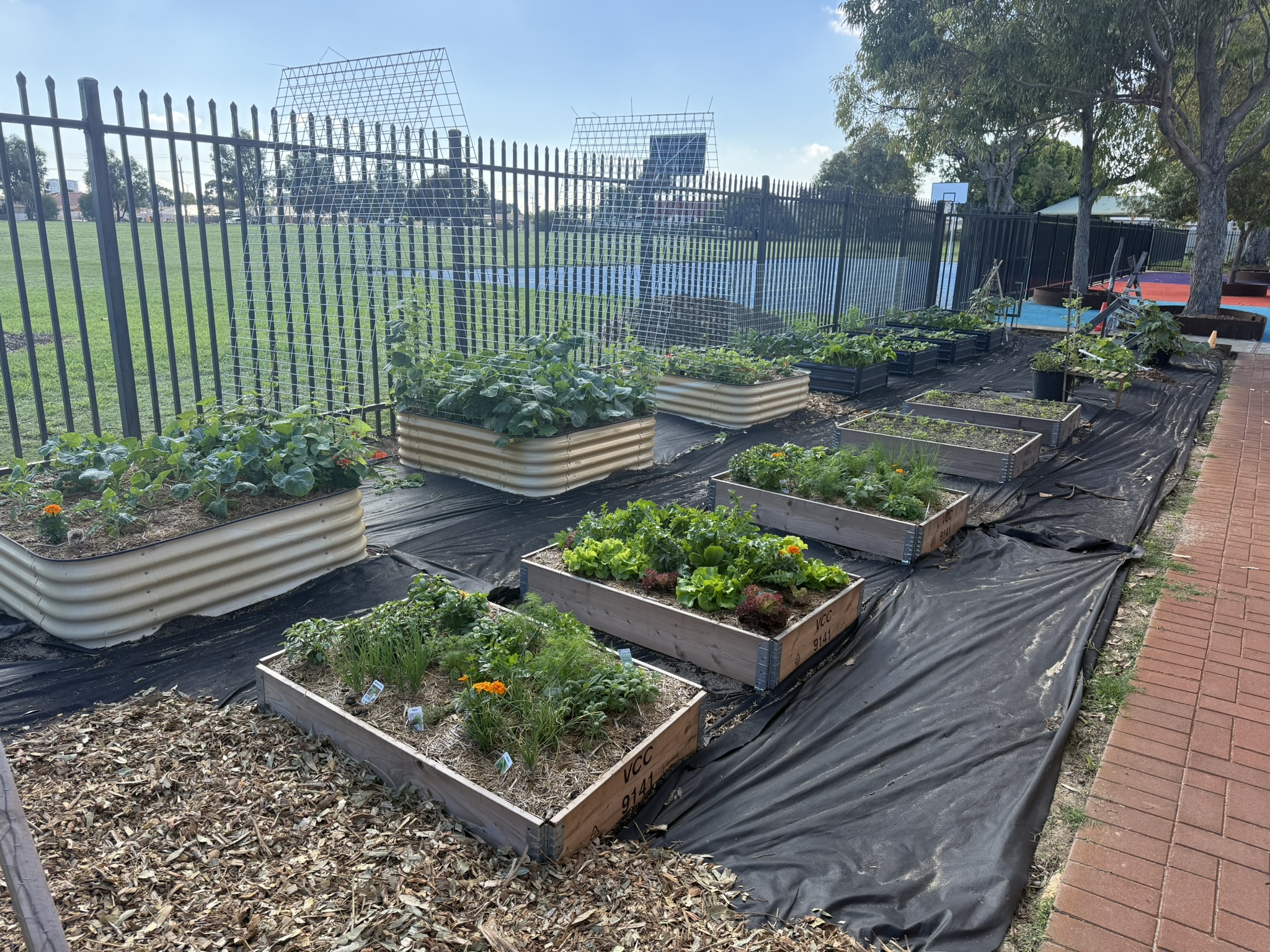
Vegetable Garden & Fruit Orchard
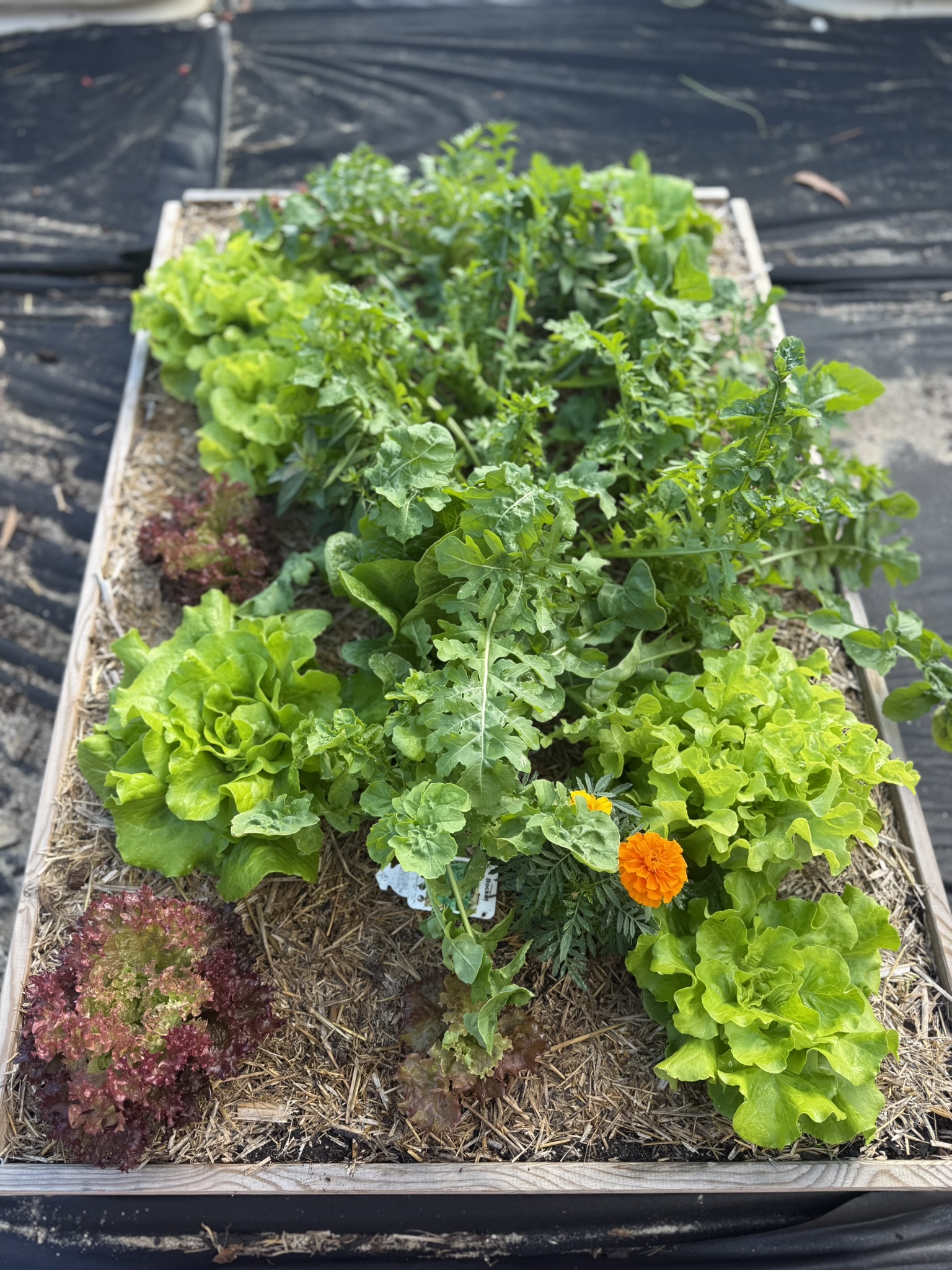
Our Vegetable Garden and Fruit Orchard provide students with opportunities to grow, care for and harvest food themselves. Students observe plant growth, explore the relationships between soil, water, weather and living things, and develop practical skills through hands-on experiences.
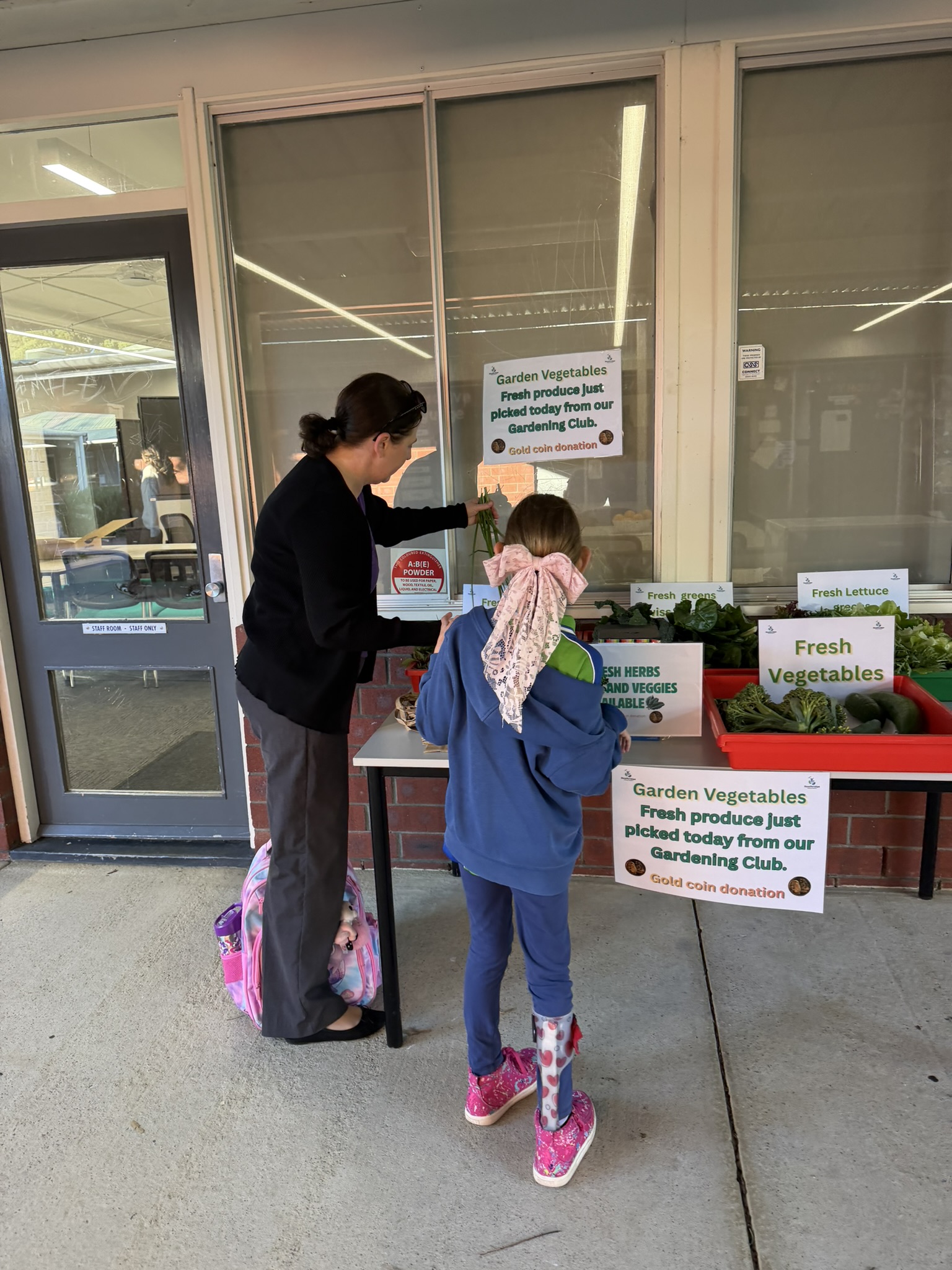
The gardens also encourage collaboration, responsibility and curiosity. Students experience the satisfaction of nurturing something from seed to harvest while developing a genuine appreciation for sustainability and the natural environment. Once harvested, we hold a veggie sale for our community.
Emotional Regulation
An unexpected and valuable outcome of our gardens has been their role in supporting emotional regulation. The gardens have become calm, familiar spaces where students can reconnect with nature when they are experiencing big emotions.
When a learner is overwhelmed or dysregulated, staff can co-regulate alongside them in the garden. This might involve sitting quietly, watering plants, observing nature, walking through the garden or simply spending time together outdoors. These experiences provide a calm and purposeful environment where students can settle before returning to learning.
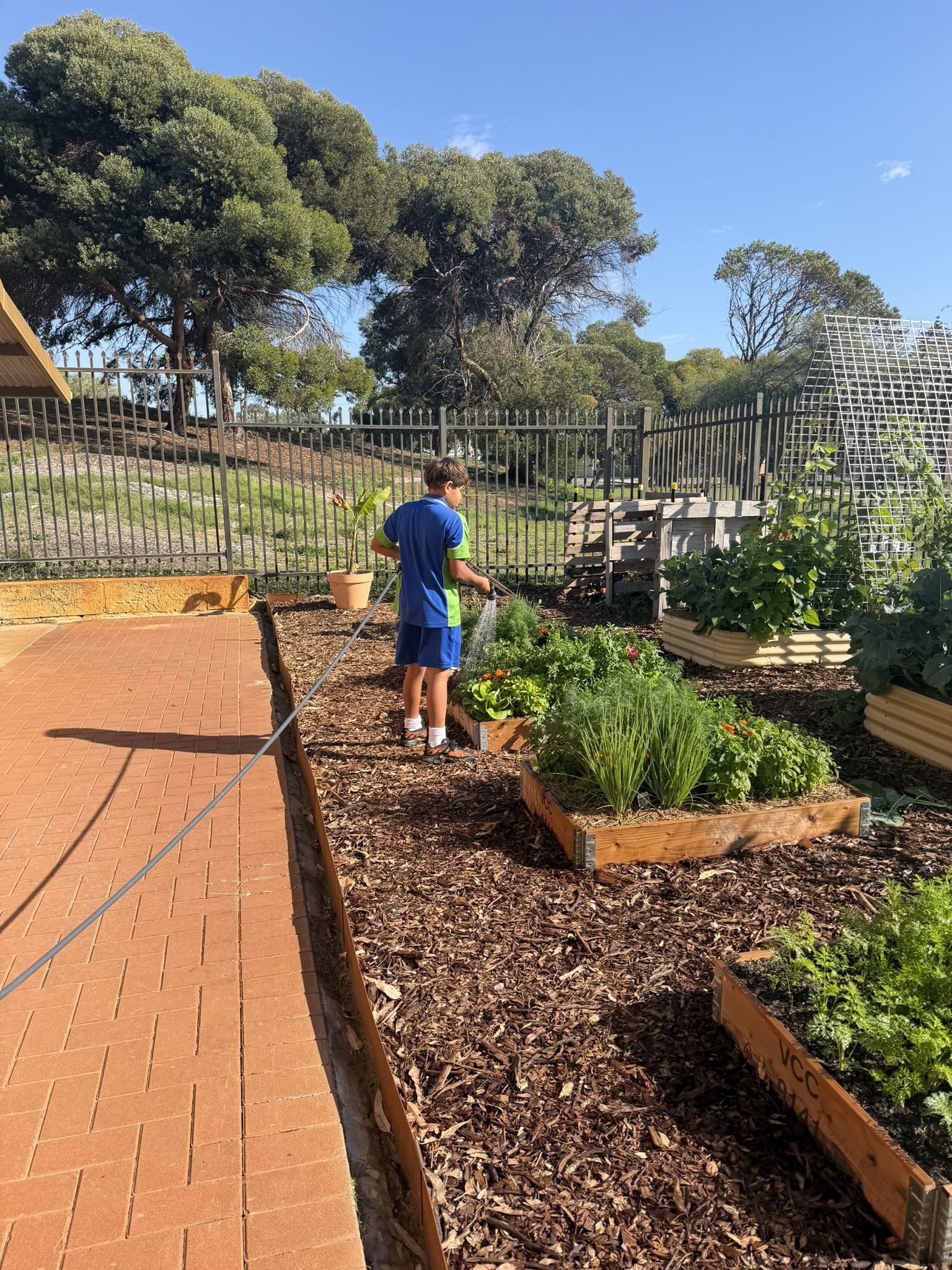
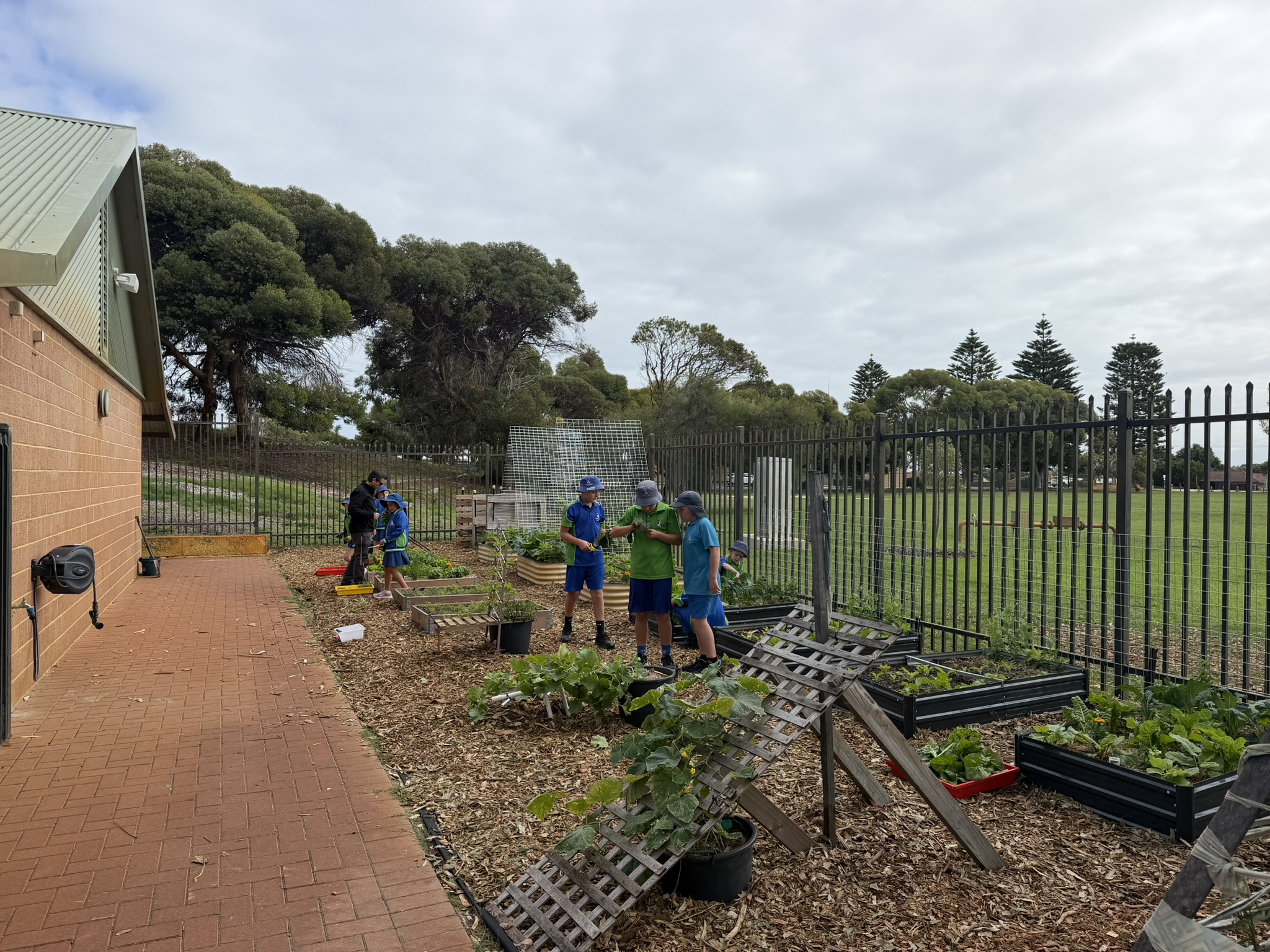
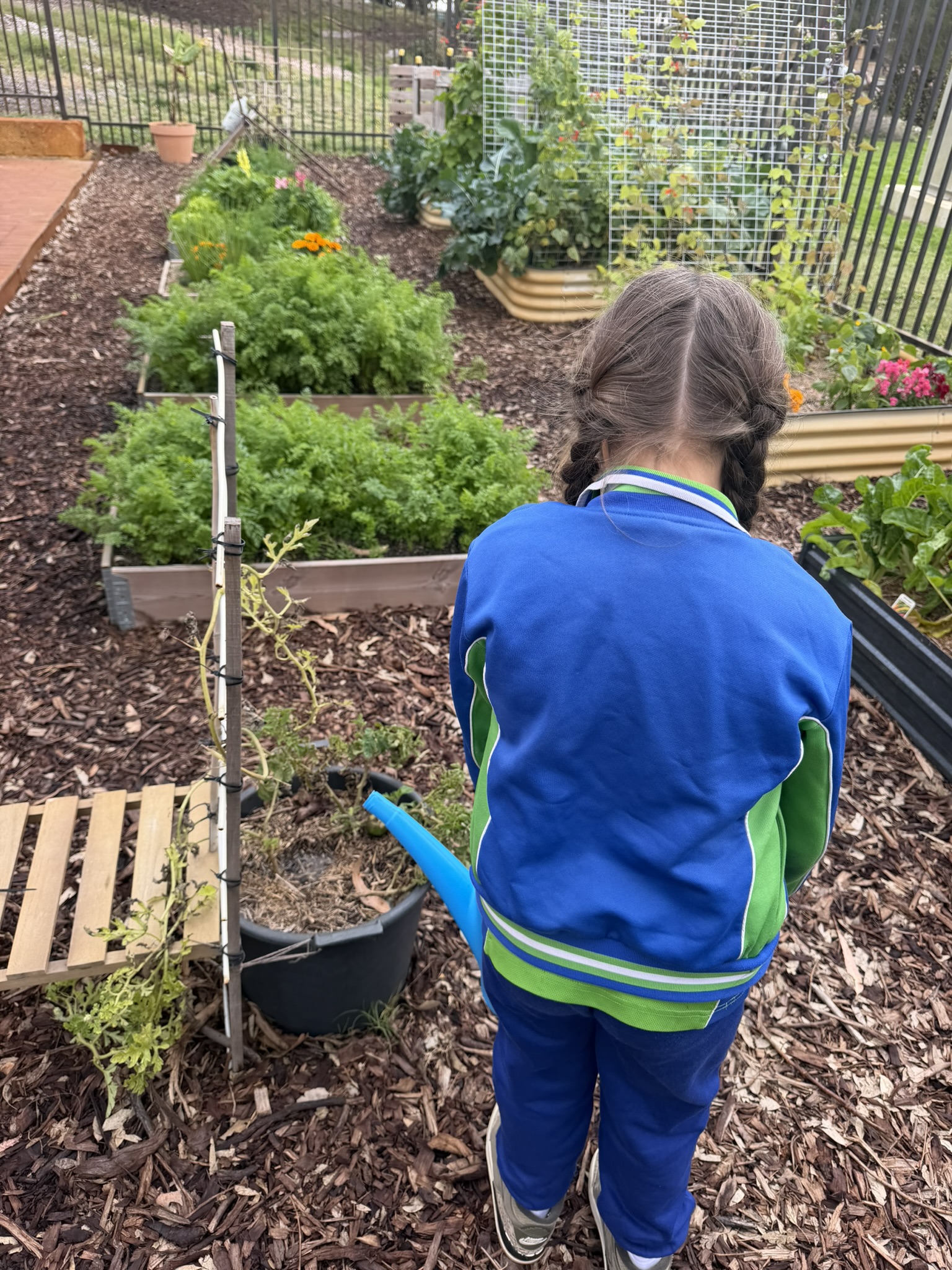
Our Two-Way Science spaces are more than gardens. They are living classrooms where students learn, contribute, care for Country, connect with culture and grow together.